Rightmove vs now: proof you don’t need a massive house to create a beautiful home
When we bought our little 2 up, 2 down terrace in London, we weren’t choosing it because it was perfect. We were choosing it because it was what we could afford — a house rather than a flat — and because we could see that with a lot of work (and a lot of patience), we could make it into something really special.
We viewed it in November 2019, offered shortly after, and completed in February 2020. We moved out in November 2024 (and put it on the market around July 2024). In between those dates we renovated pretty much every inch — and I still can’t quite believe it’s the same house.
The “before”: five things that made us question our life choices
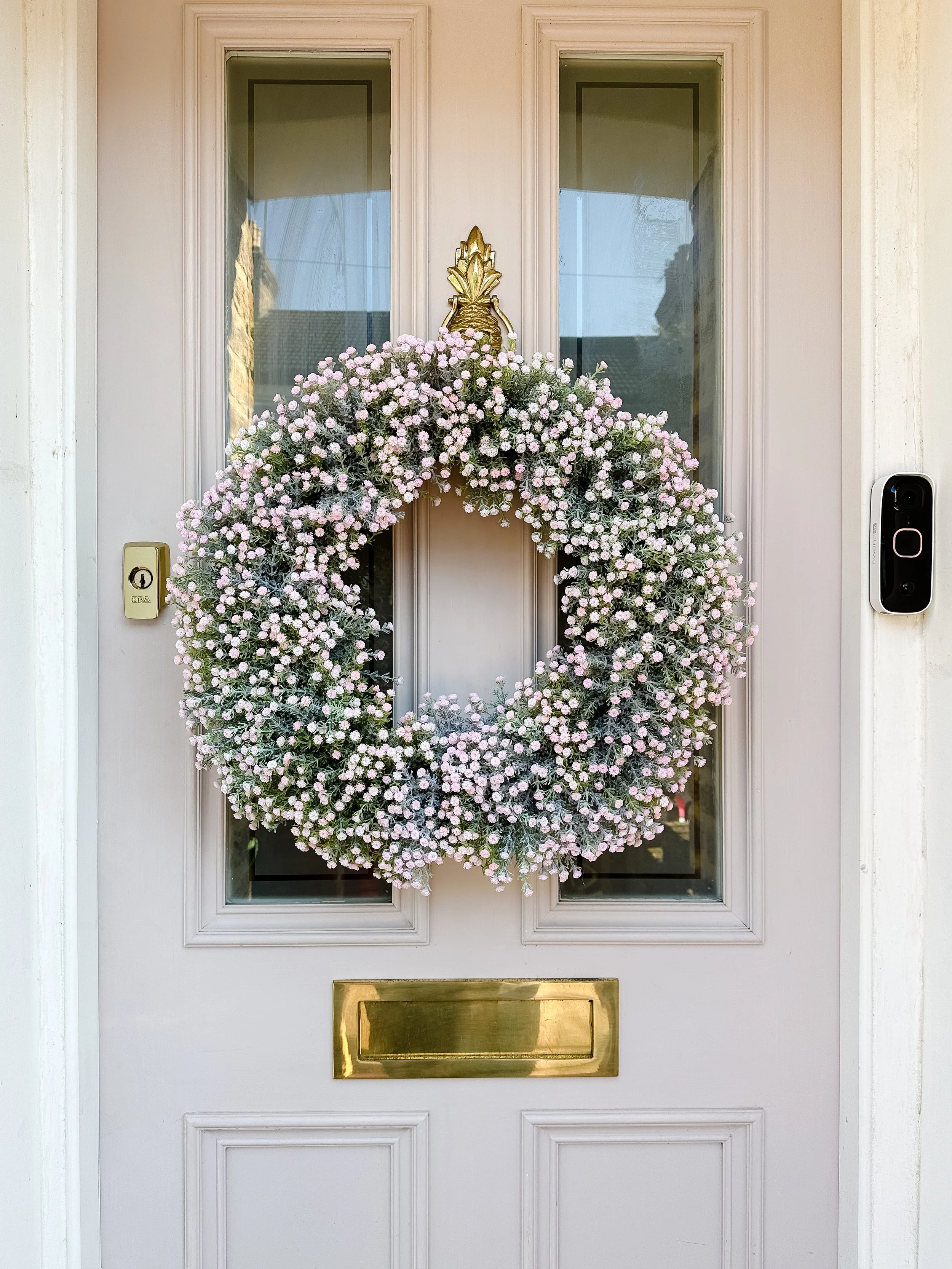
1) The front of the house
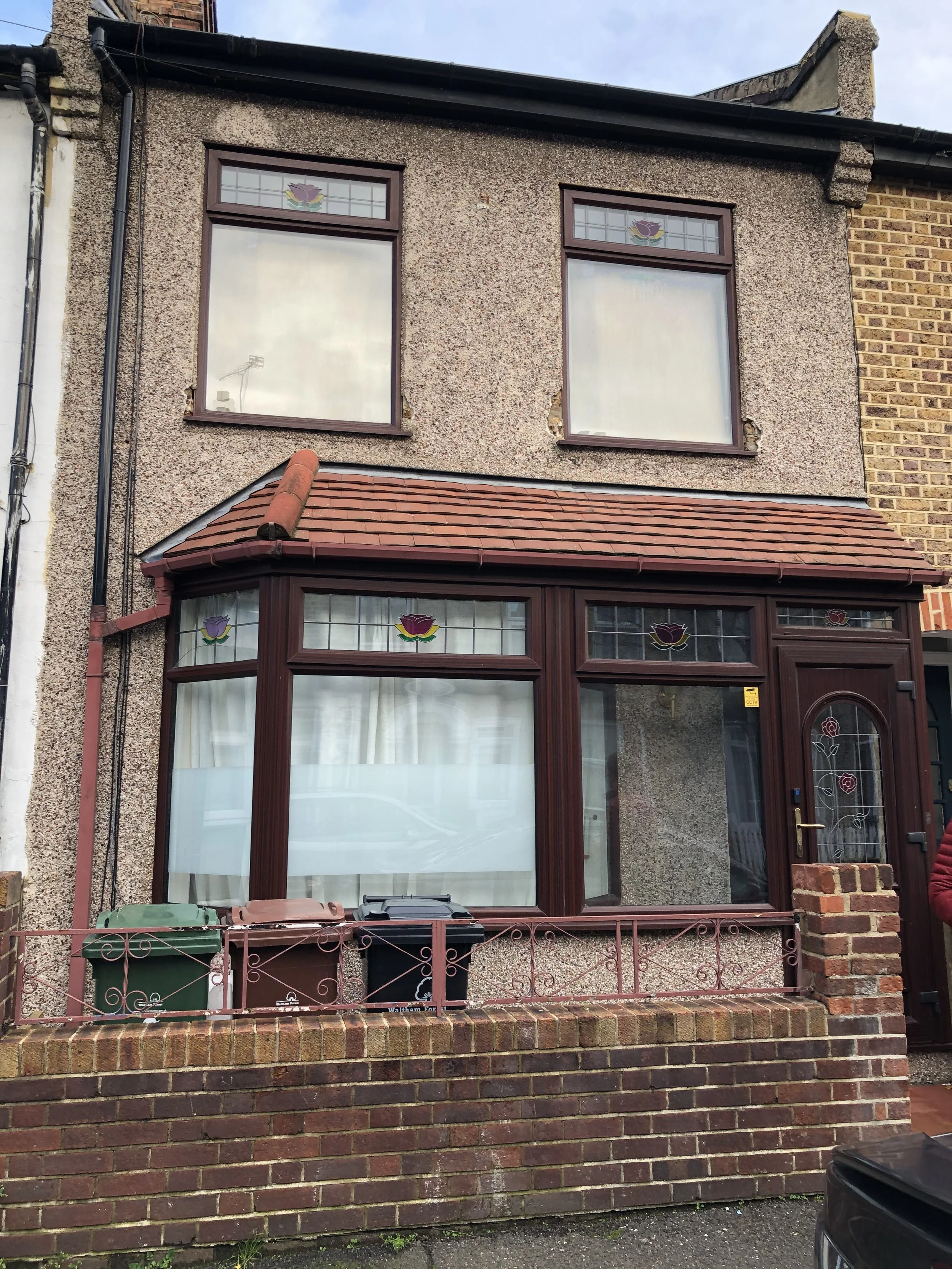
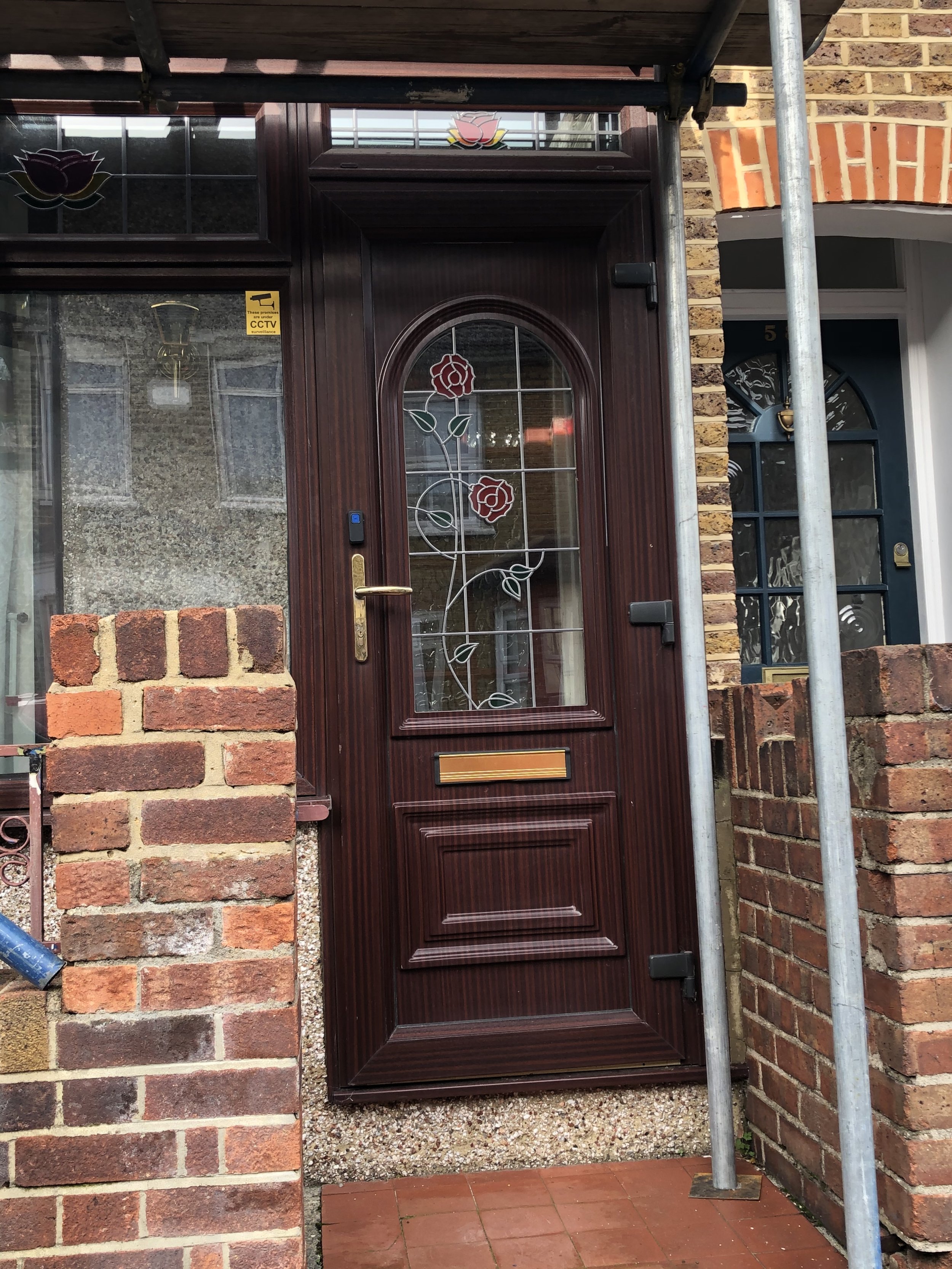
The exterior was… a lot. Pebbledash, awkward proportions, and none of the original character you’d hope for from a Victorian terrace.
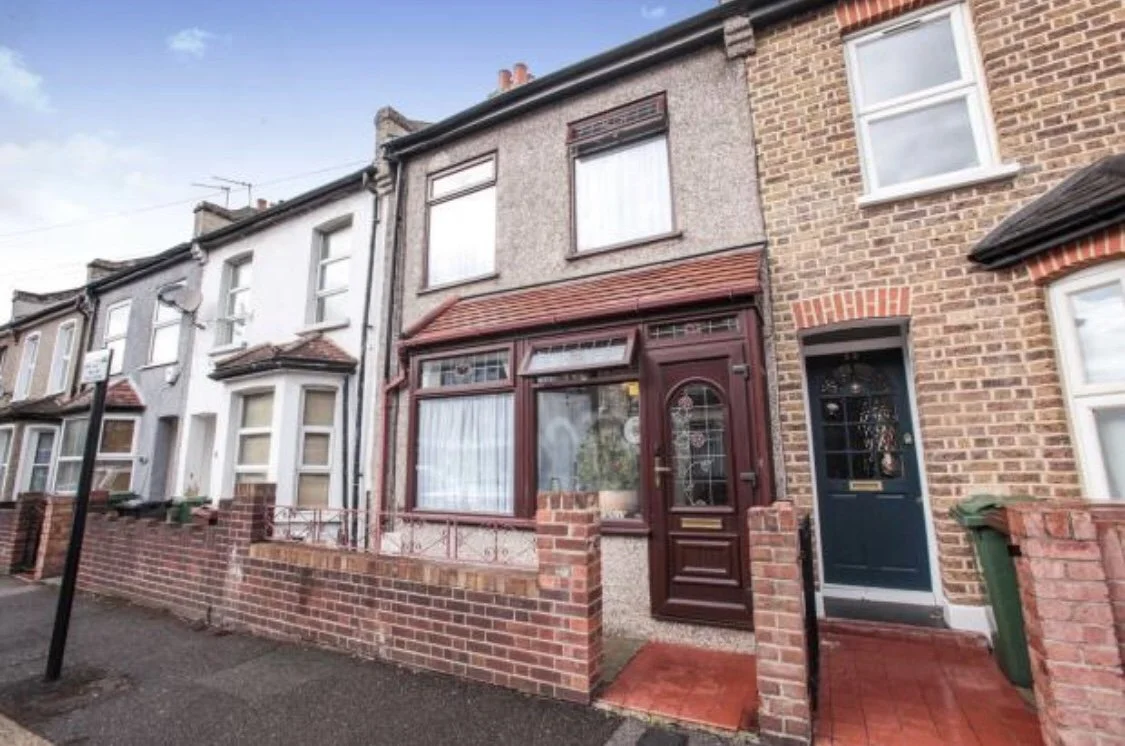
Rightmove image of the ‘before’
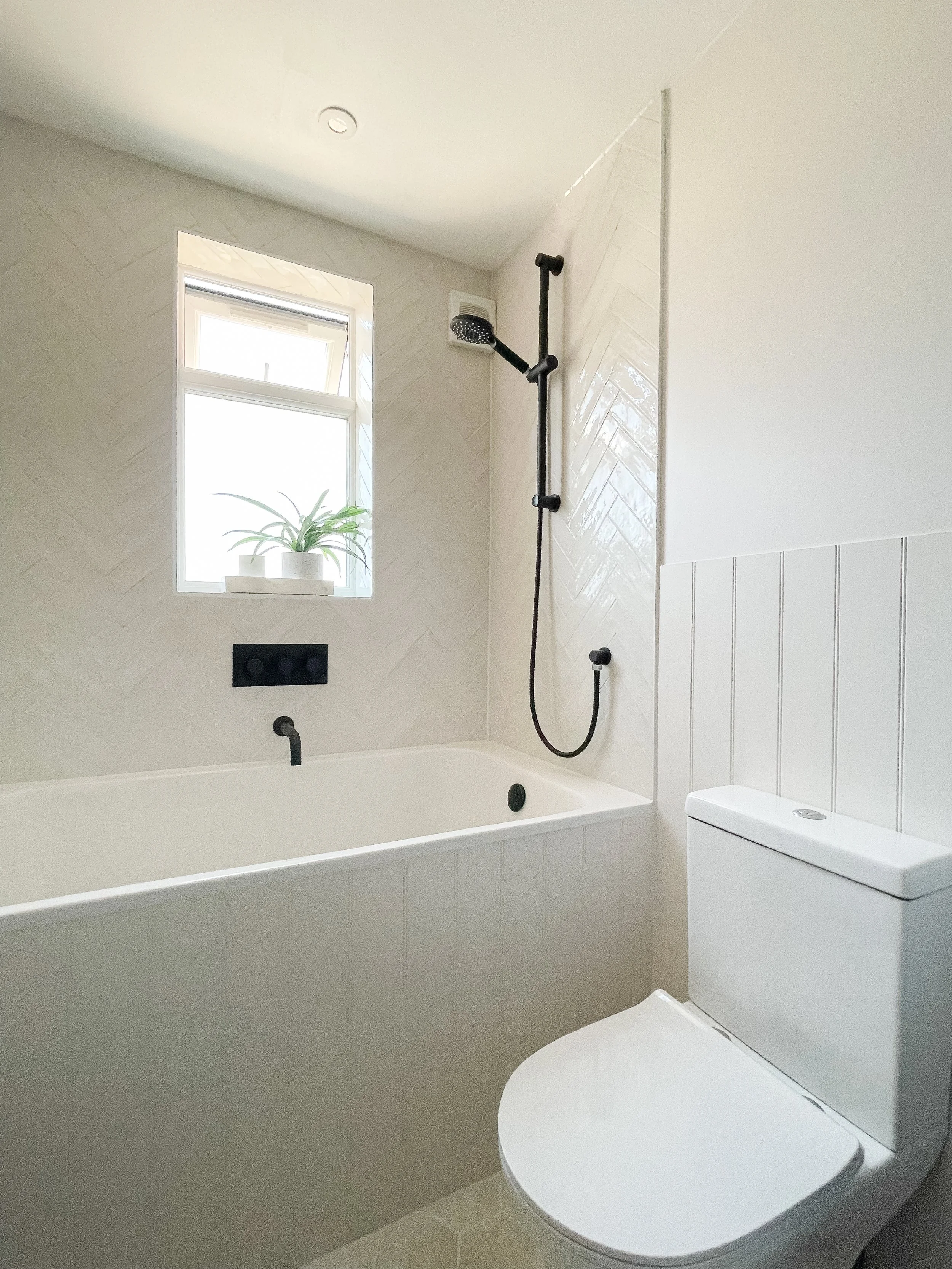
2) The bathroom
It was grotty. And the previous owners left their shower loofah and brush behind, which somehow made it feel even worse. (If you know, you know.)

Rightmove image of the bathroom ‘before’
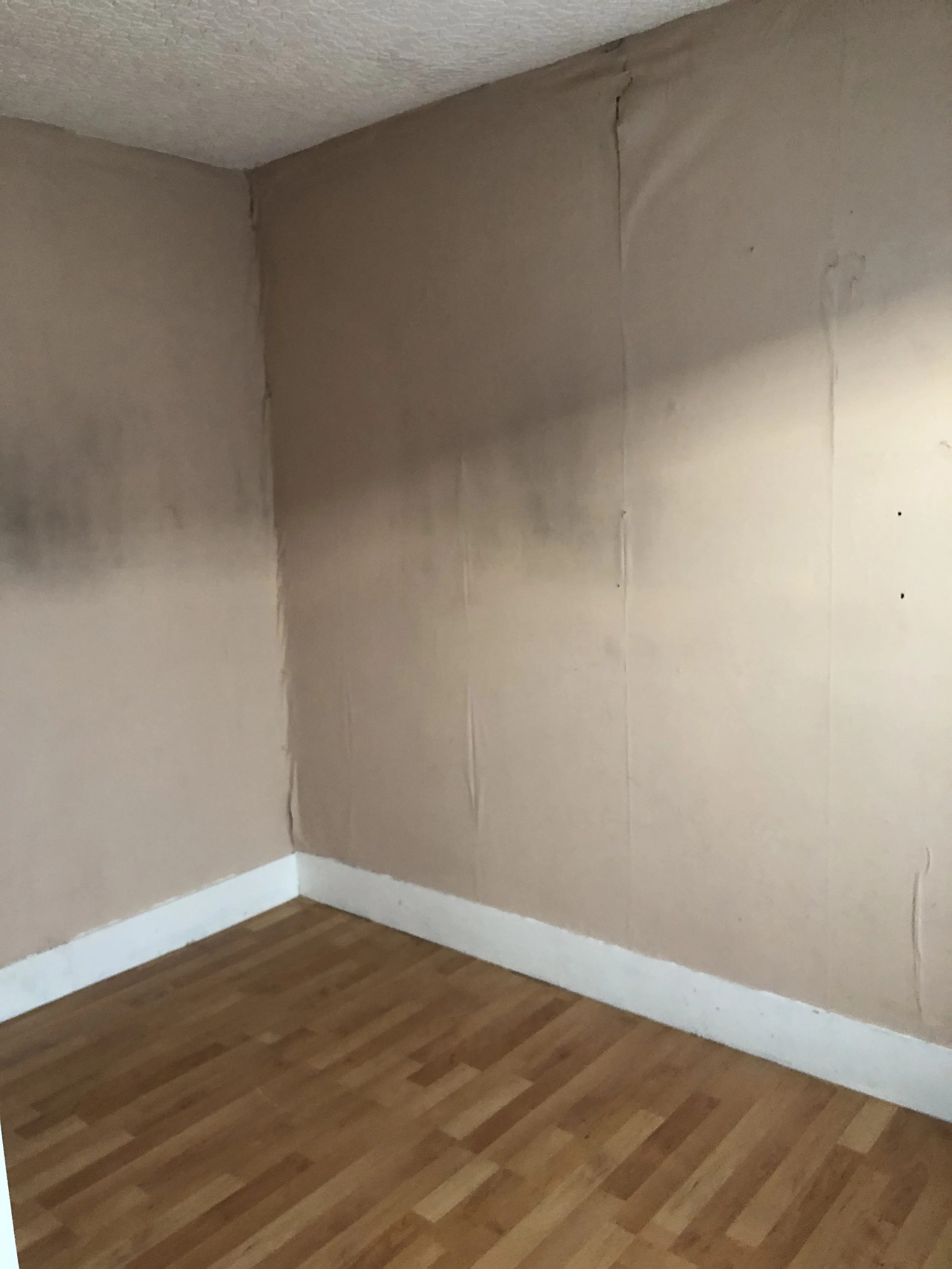
3) The front bedroom
Mouldy walls, and a ceiling that looked like it was actively giving up.
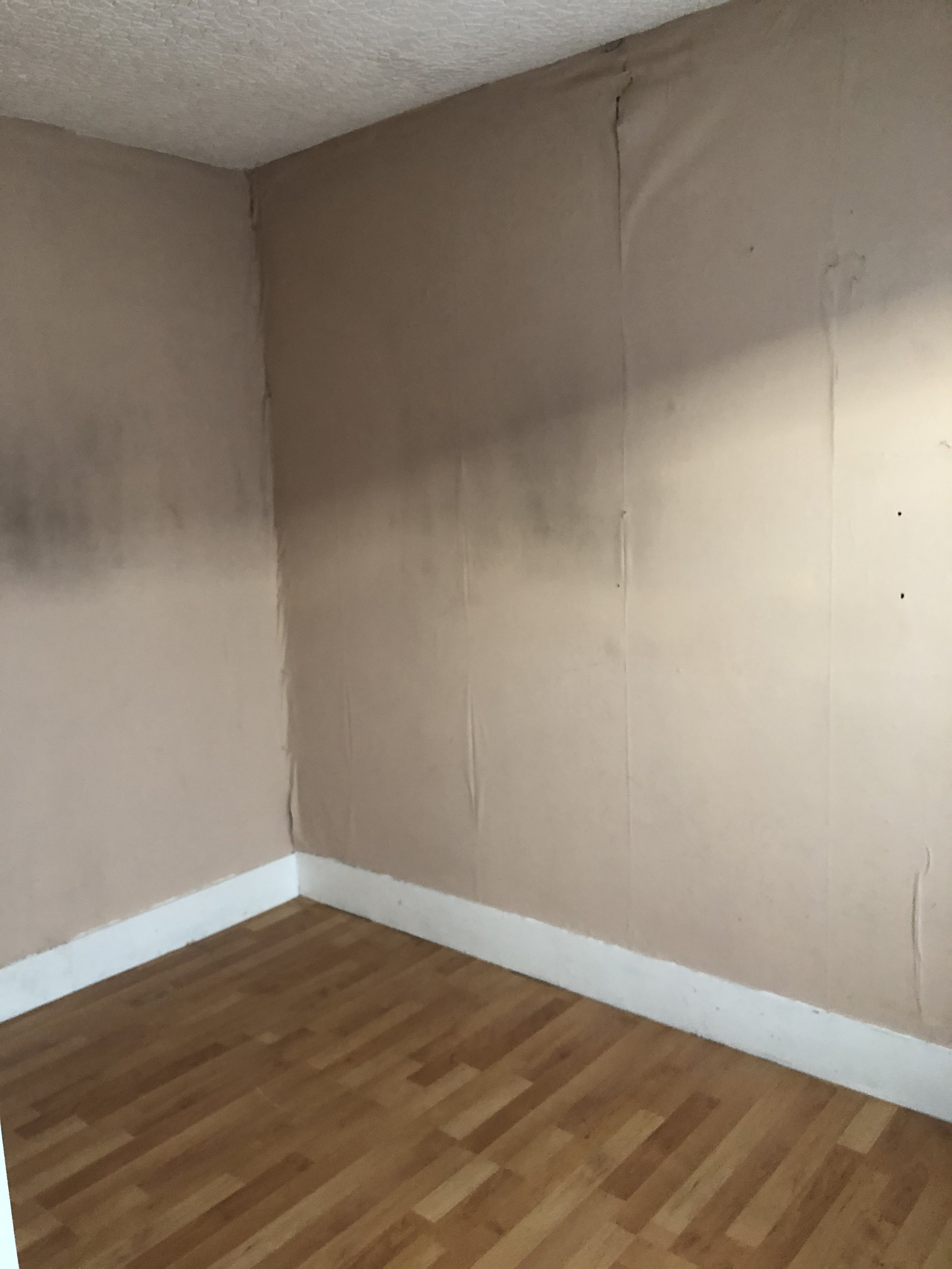
The front bedroom when we moved in
4) The smell of gas (casual)
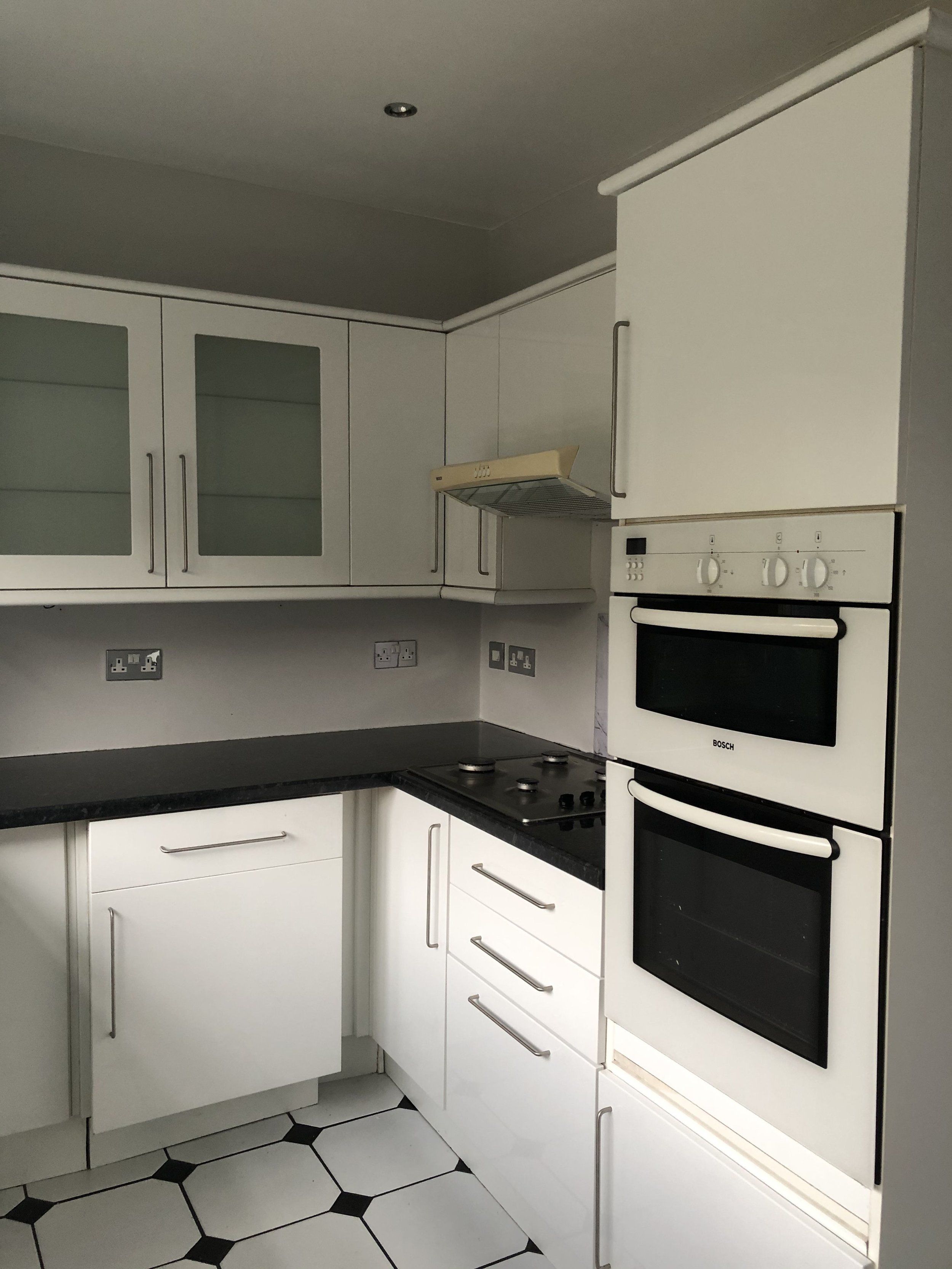
Not long after moving in, we started noticing the smell of gas downstairs. We eventually discovered it was coming from the hob, and for a while we had to turn it on and off at the valve every time we used it or the whole downstairs would stink of gas.
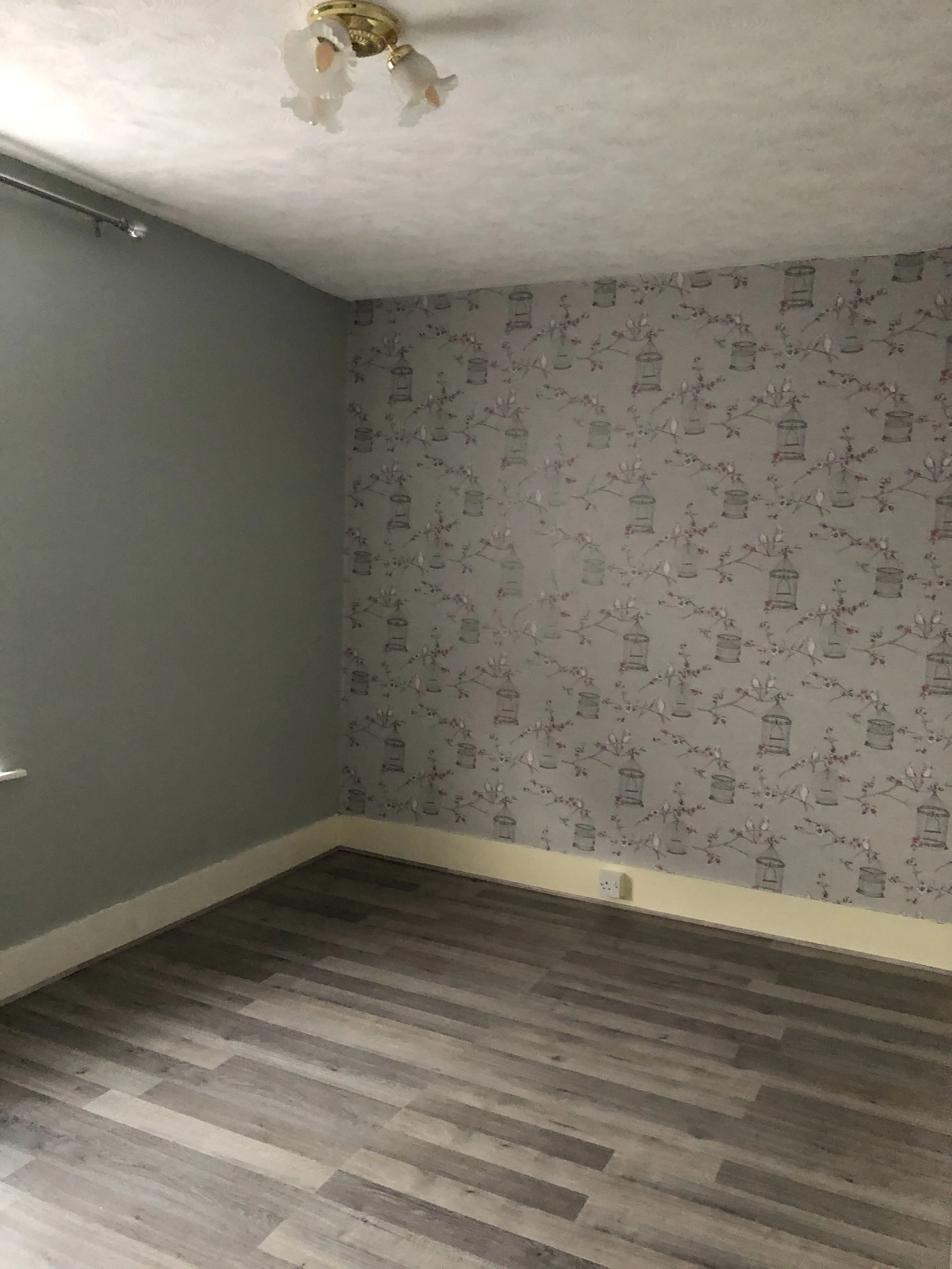
5) The back bedroom leak
Two weeks after moving in, we woke up to rainwater pouring down the back wall and leaking through the roof. Nothing says “welcome home” like discovering your house is also a waterfall.
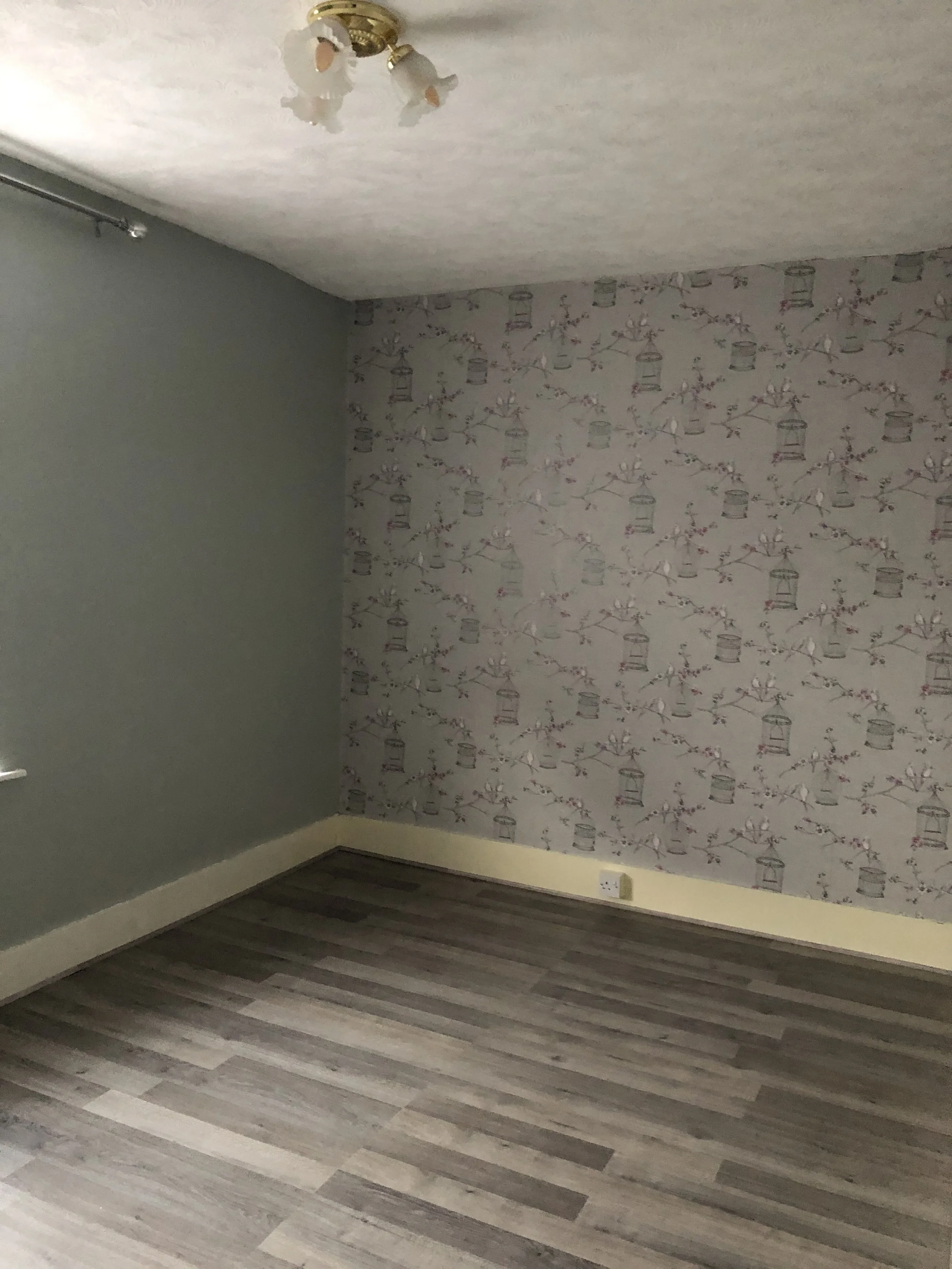
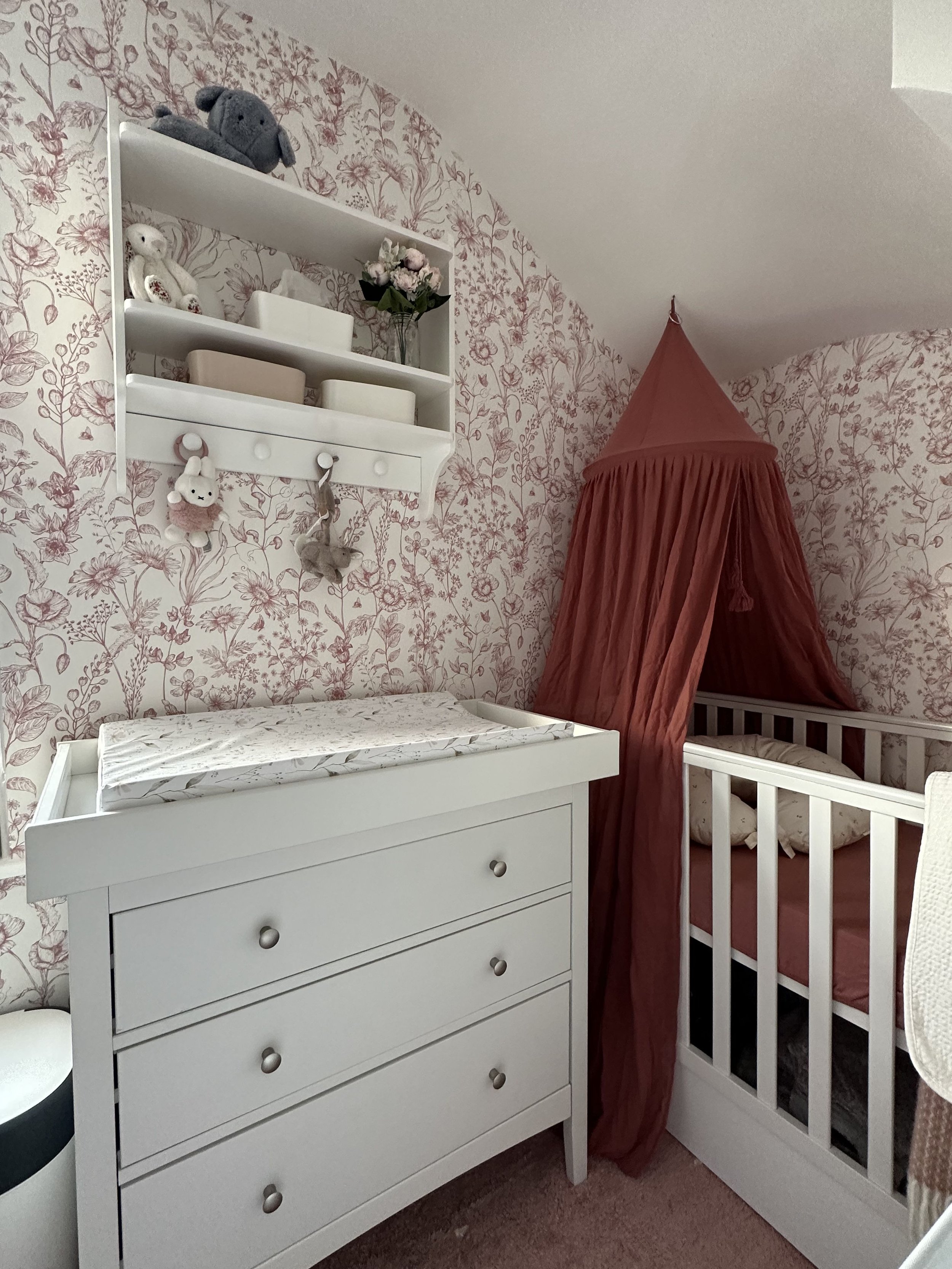
The back bedroom ‘before’
Why we still went for it
Even with all of that, it was a house we could afford — and in London, that felt like a win in itself. We also knew we could add value by restoring character, improving the layout, and making the most of the space properly.
And (in a way that’s hard to explain unless you’ve done it), we could just see the potential.
The layout change that made the house work
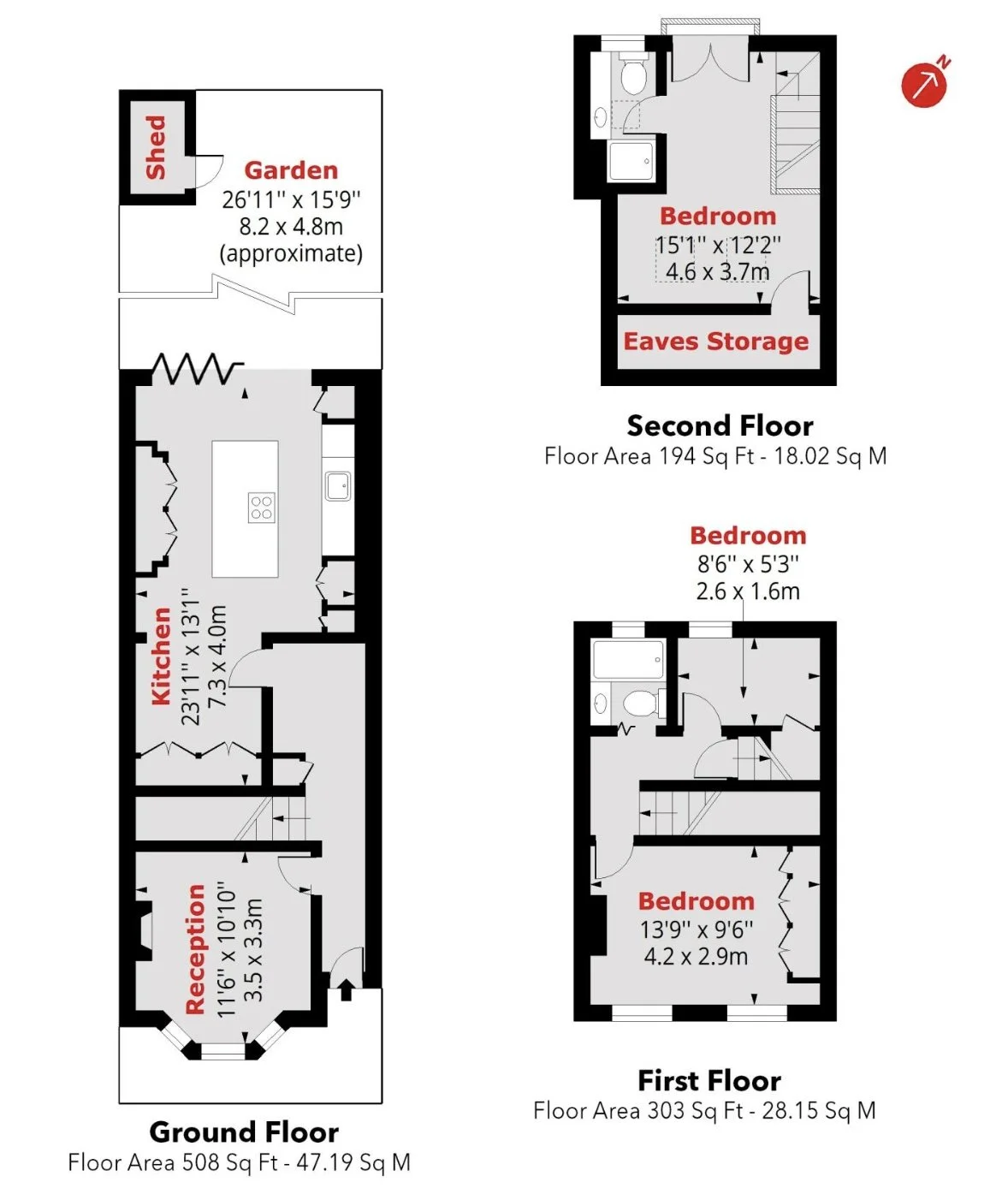
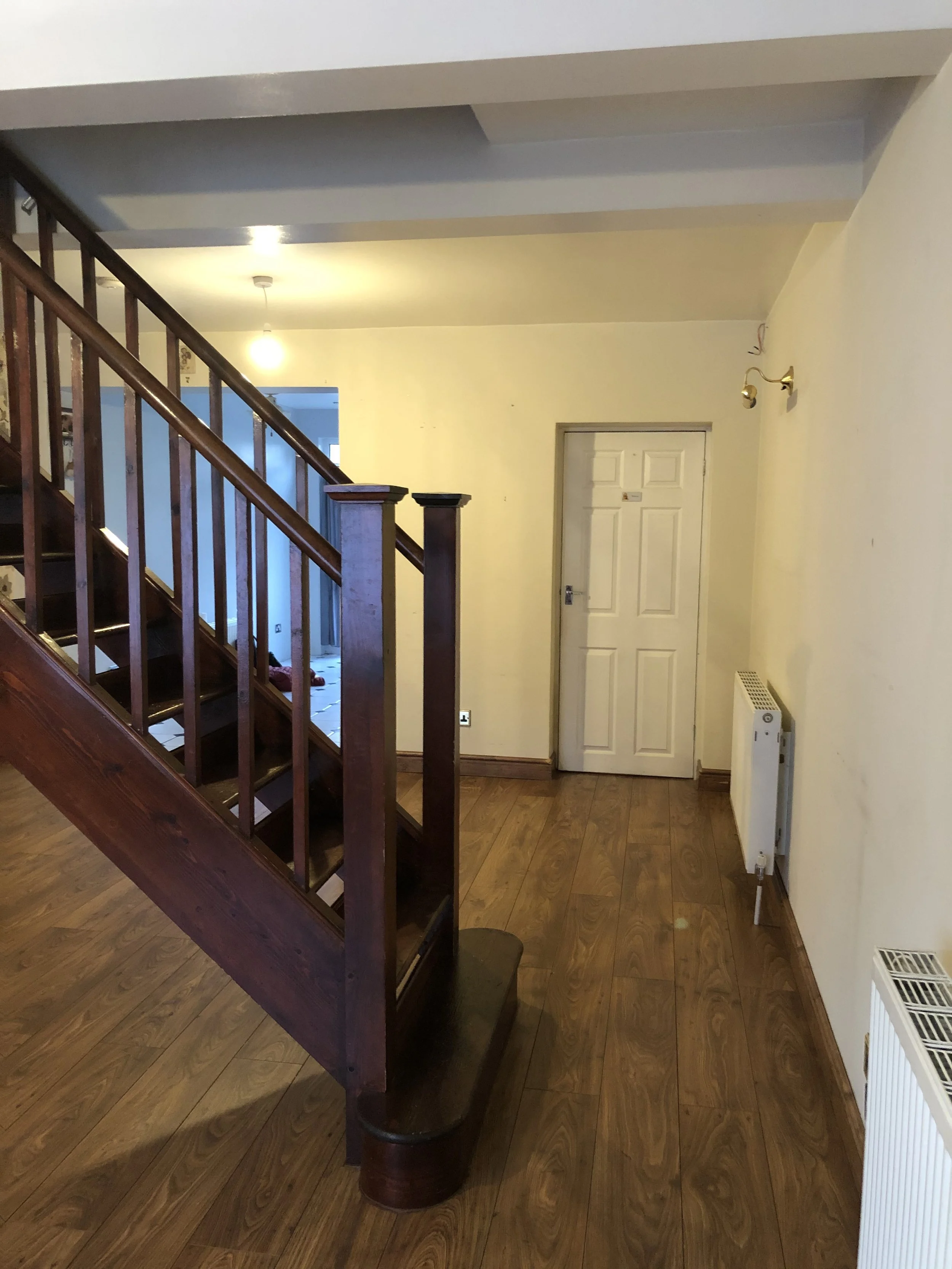
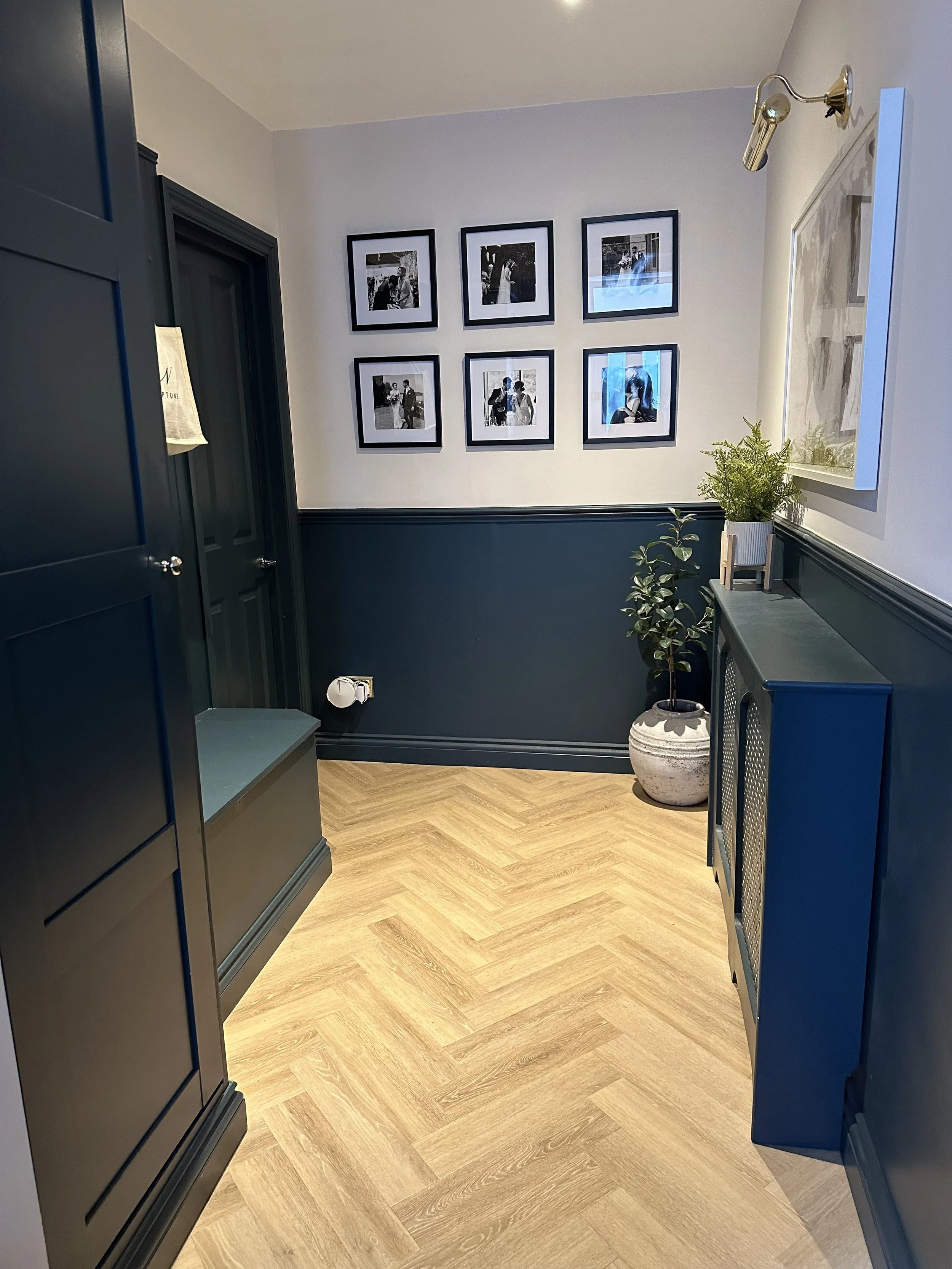
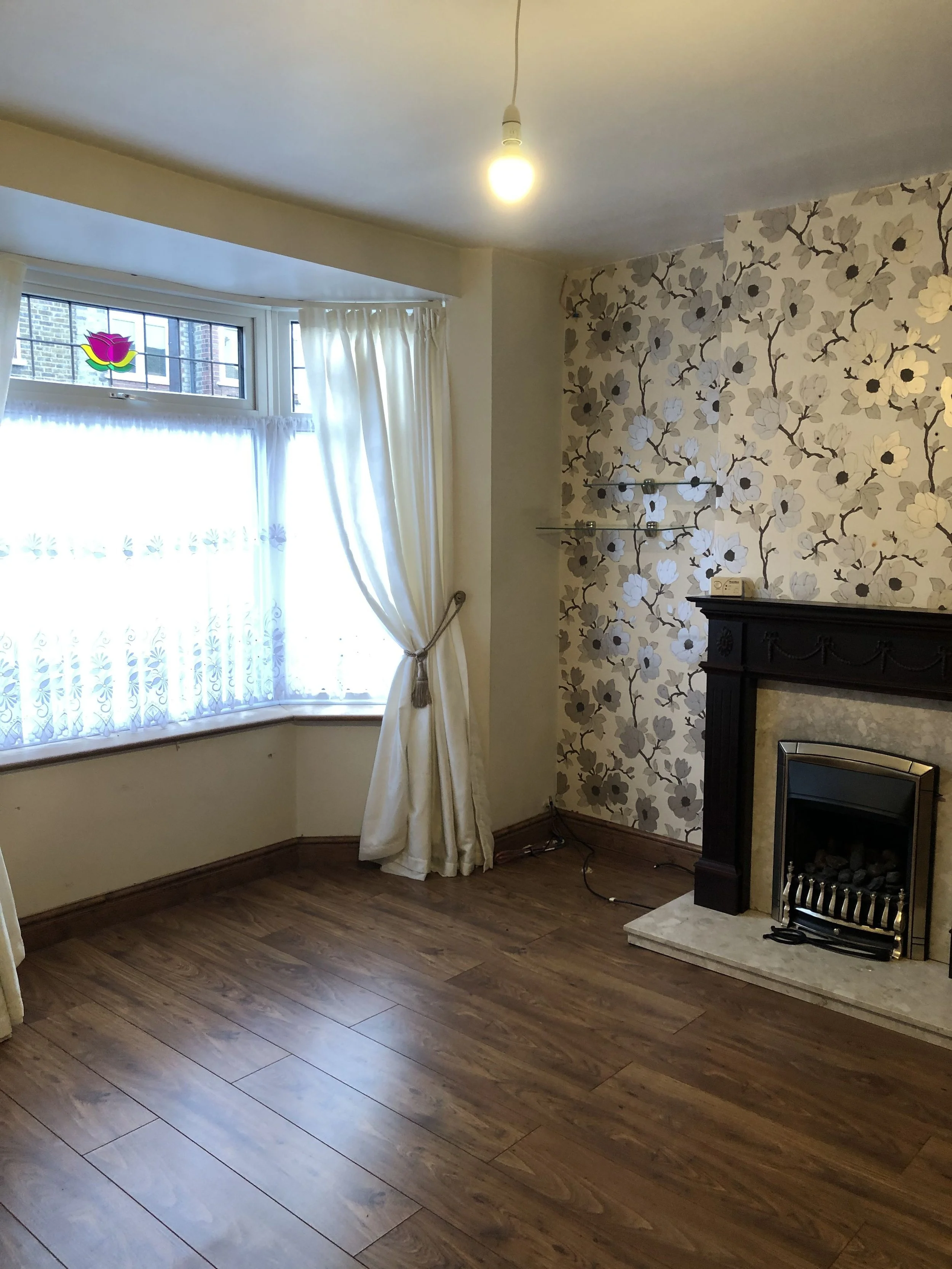
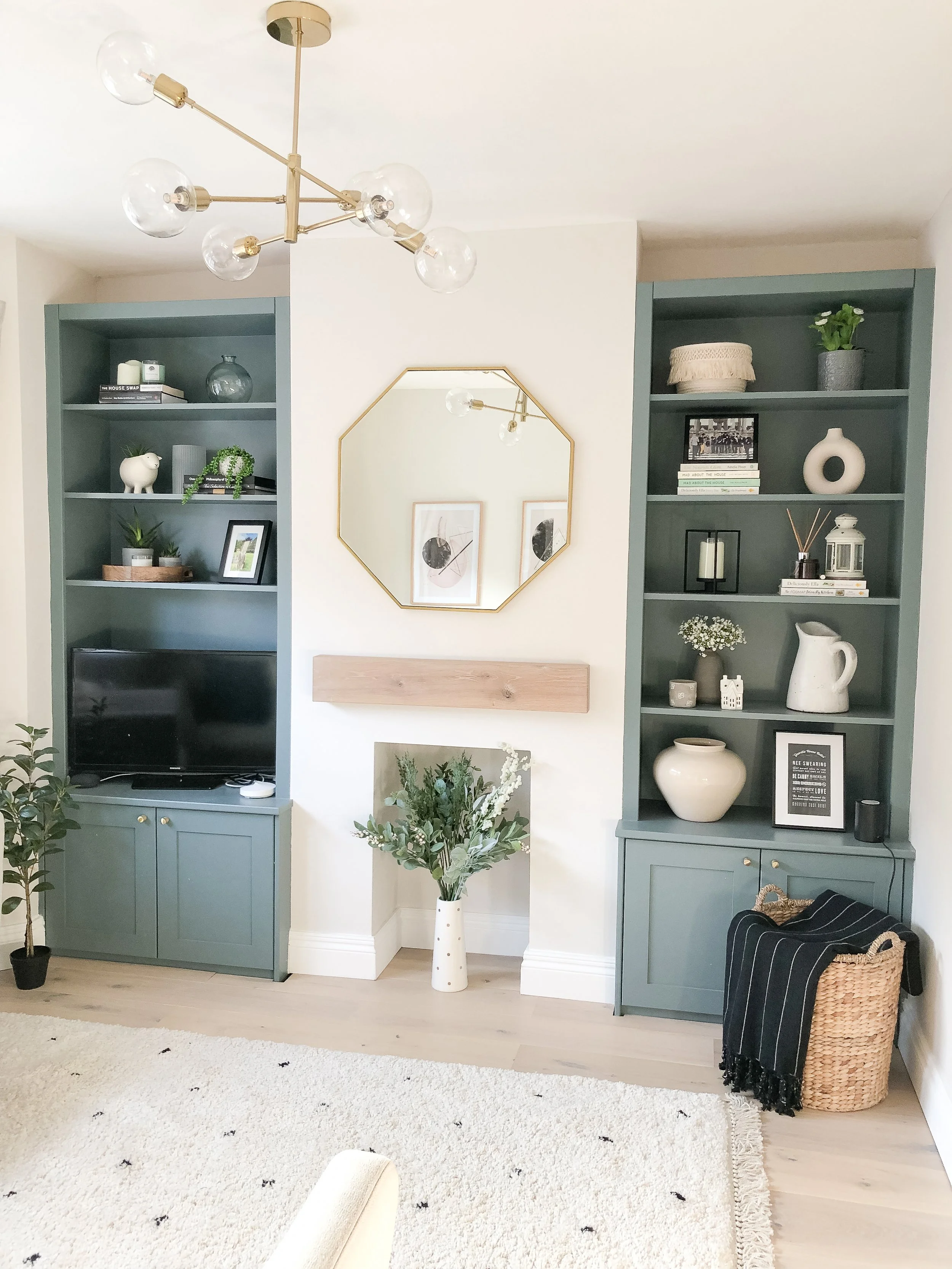
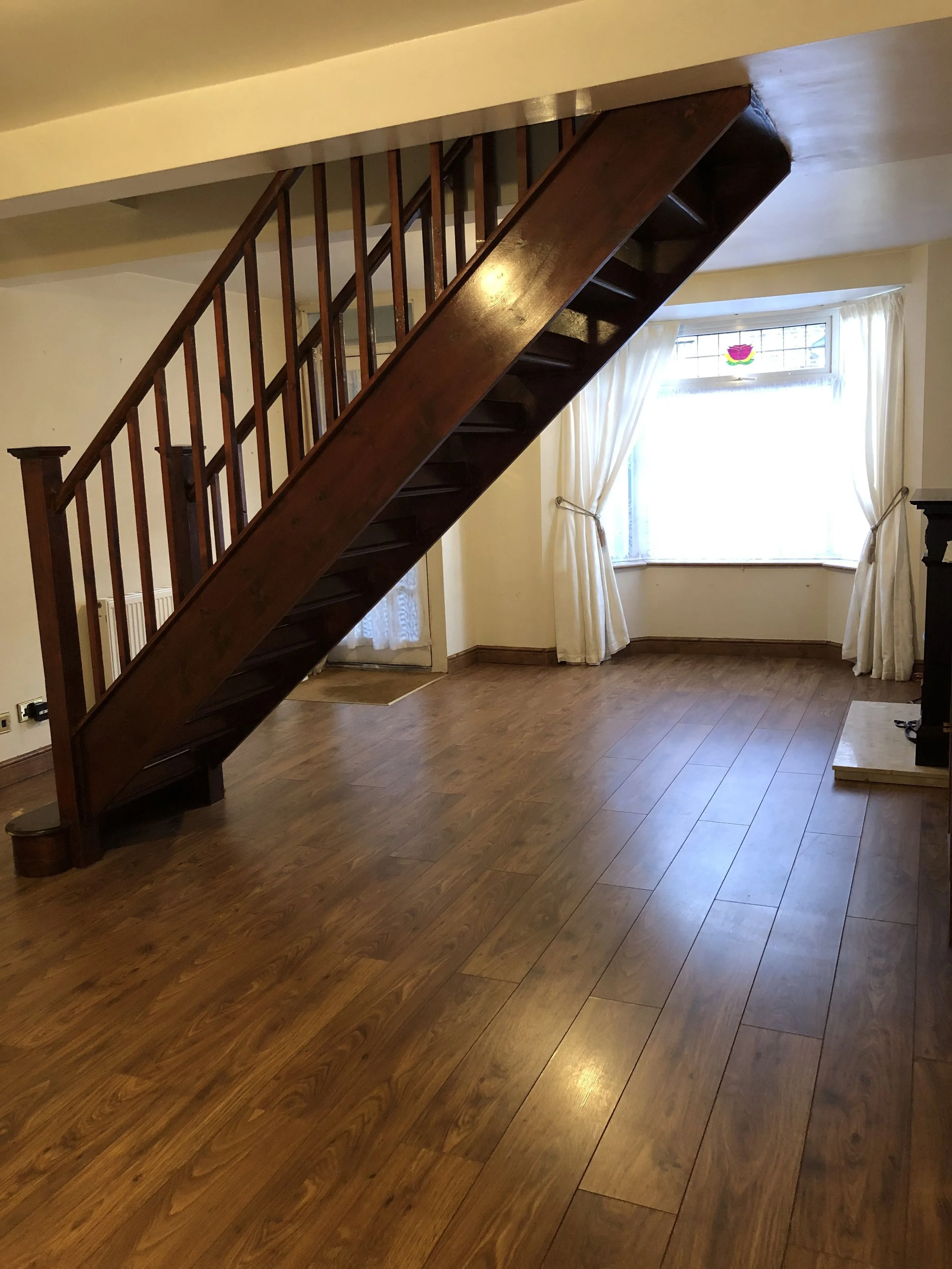
One of the biggest things people don’t realise from our “after” photos is that the hallway and living room didn’t even exist when we moved in.
Originally, you walked straight into the downstairs — it was basically entirely open plan, with the only separate room being the downstairs bathroom.
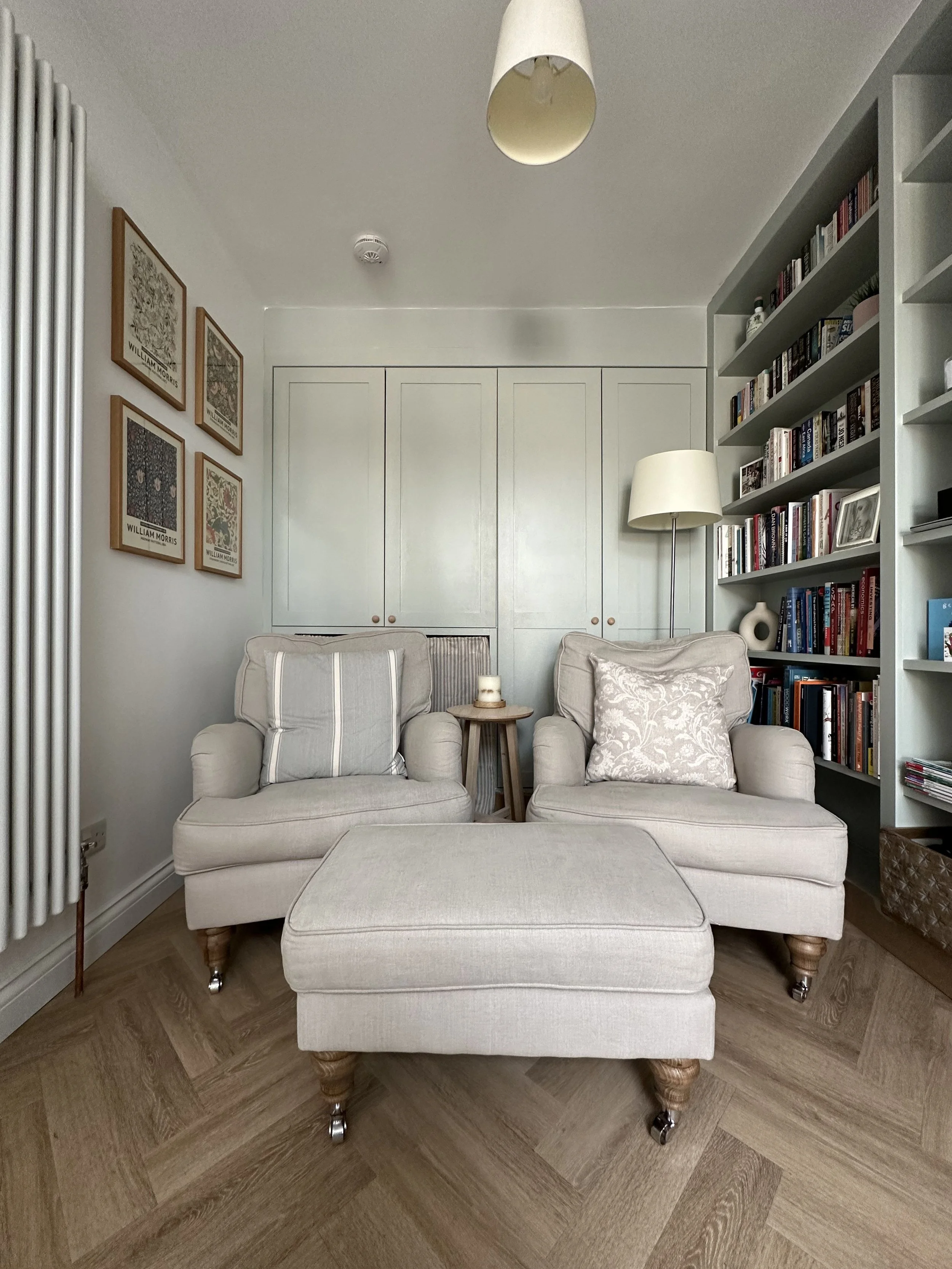
Over time, we built walls to properly zone the downstairs:
a living room at the front
a kitchen/snug at the back
and an actual hallway (which made the whole house feel calmer and more “grown up”)
Upstairs, we also completely reworked how the space functioned:
the back bedroom became a small bedroom plus a new bathroom
we got rid of the downstairs bathroom
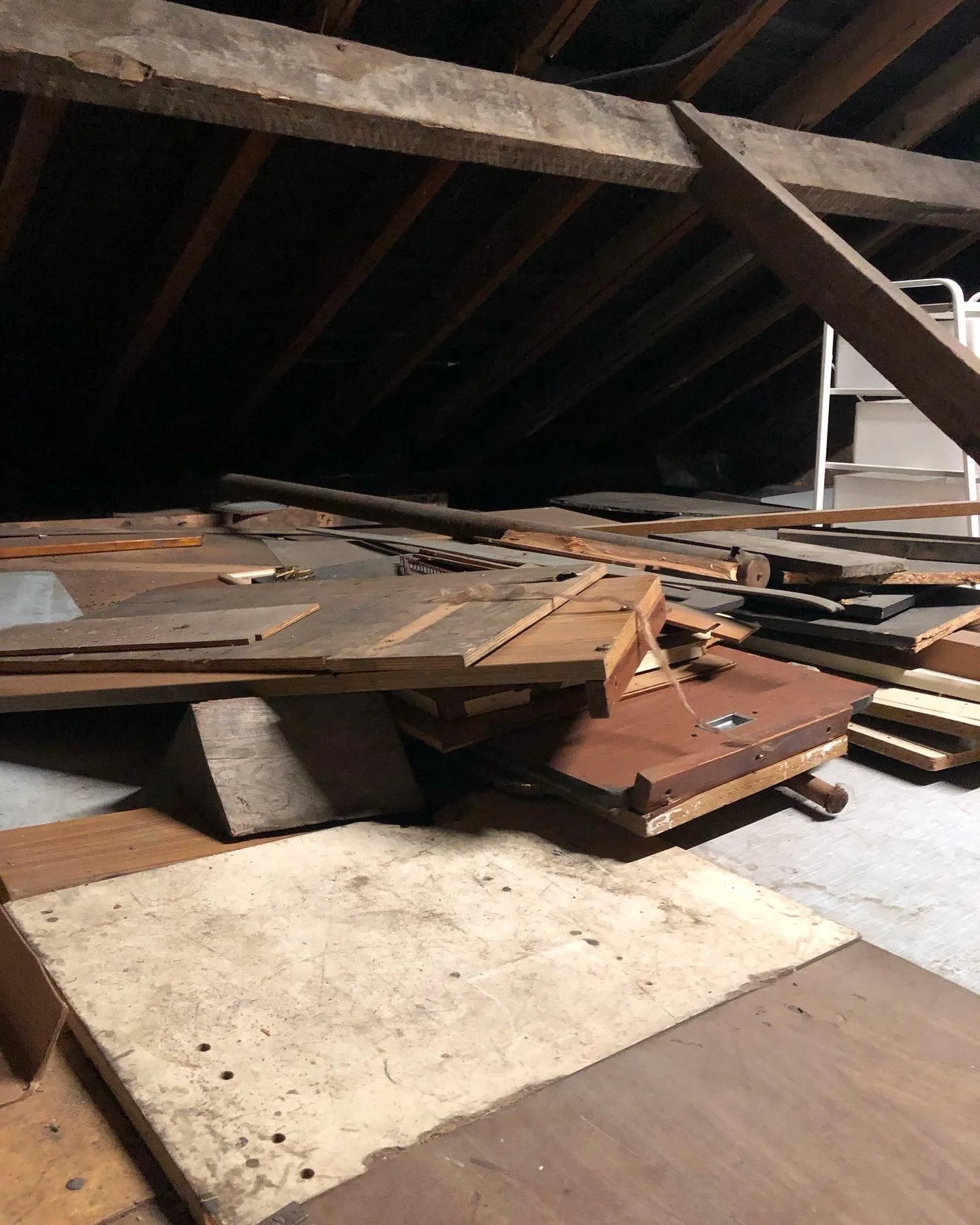
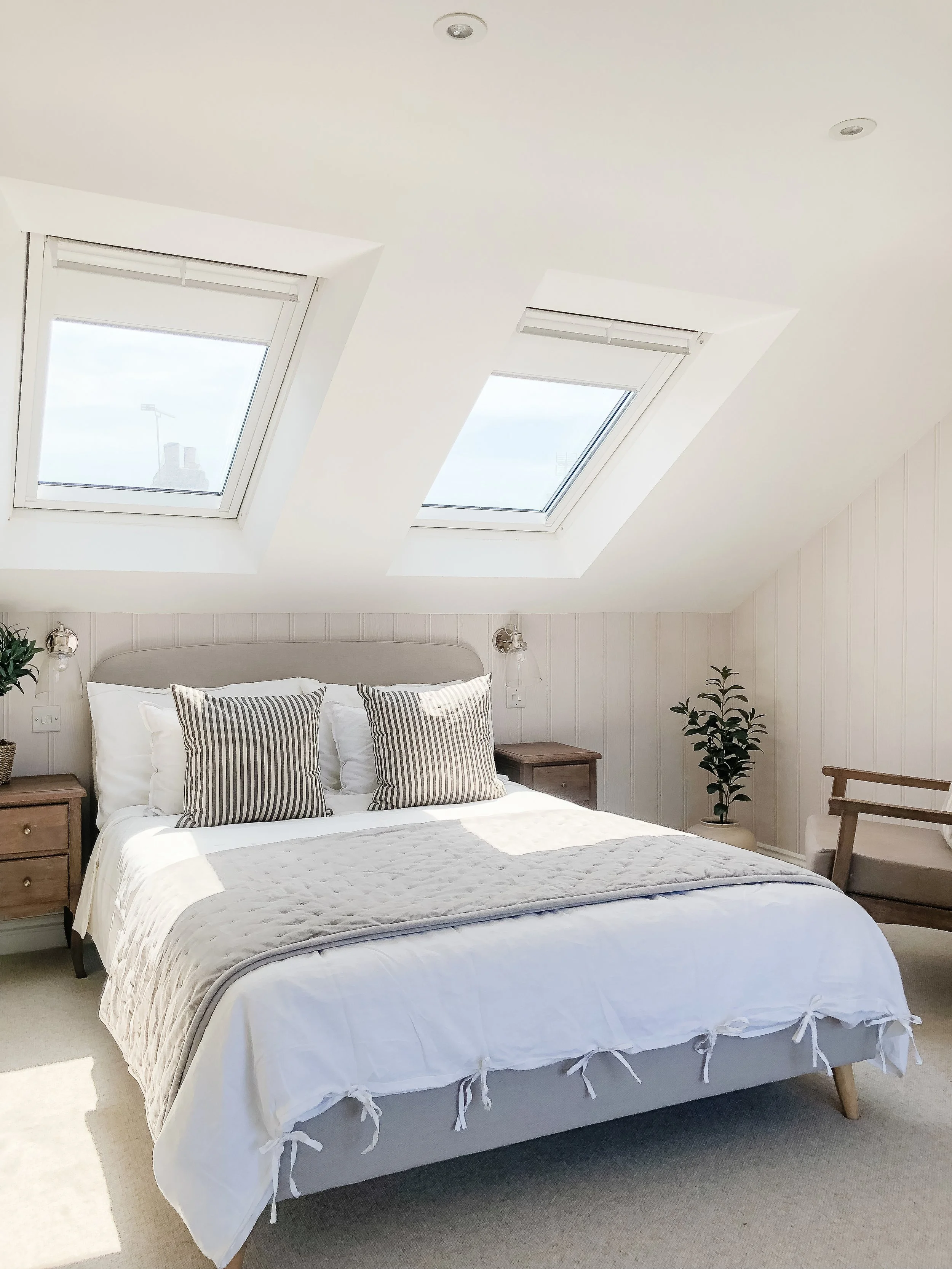
we created the landing and stairs up to the loft
and when we did the loft conversion, we added an ensuite, so it became a proper bedroom + bathroom up there too
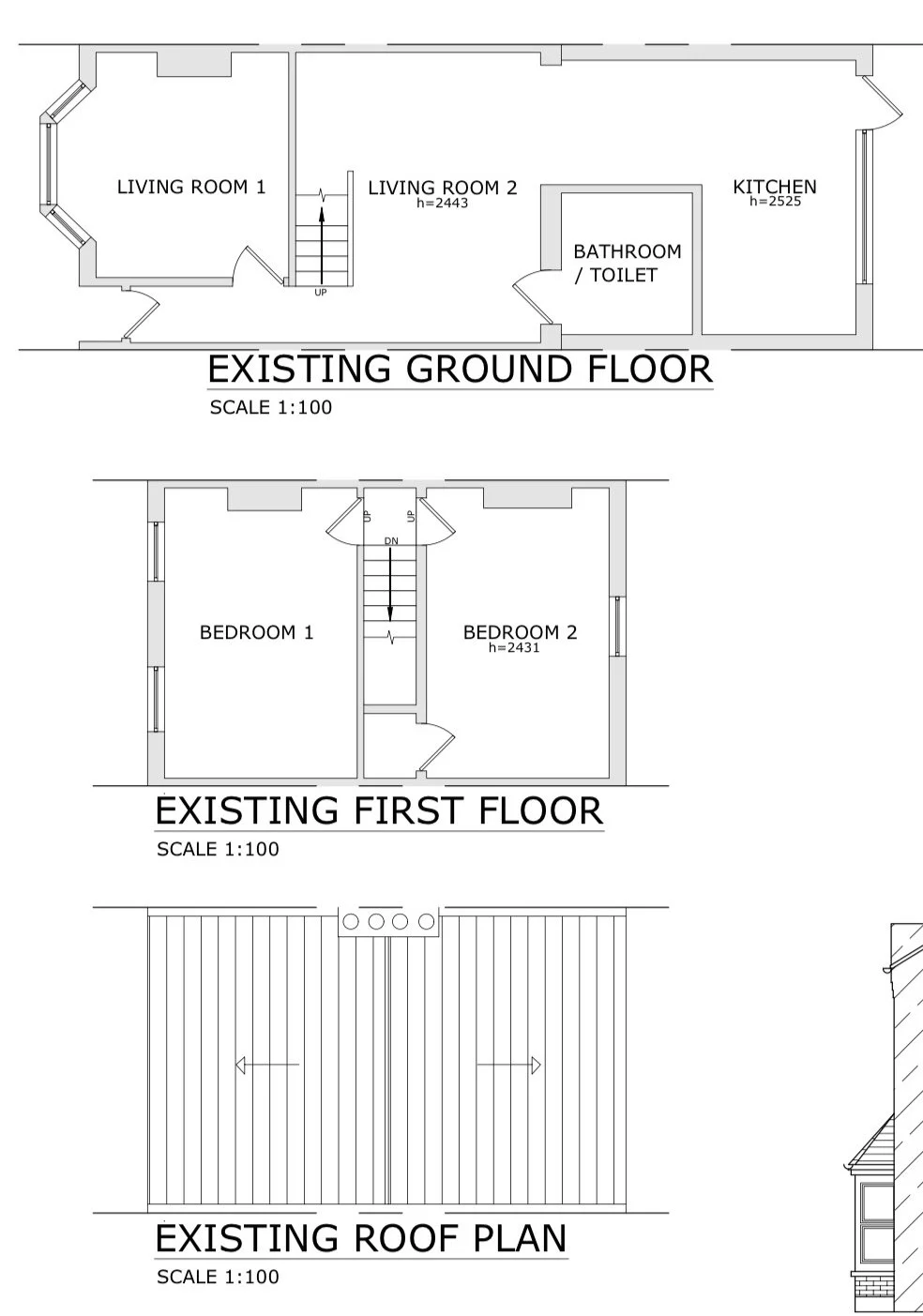
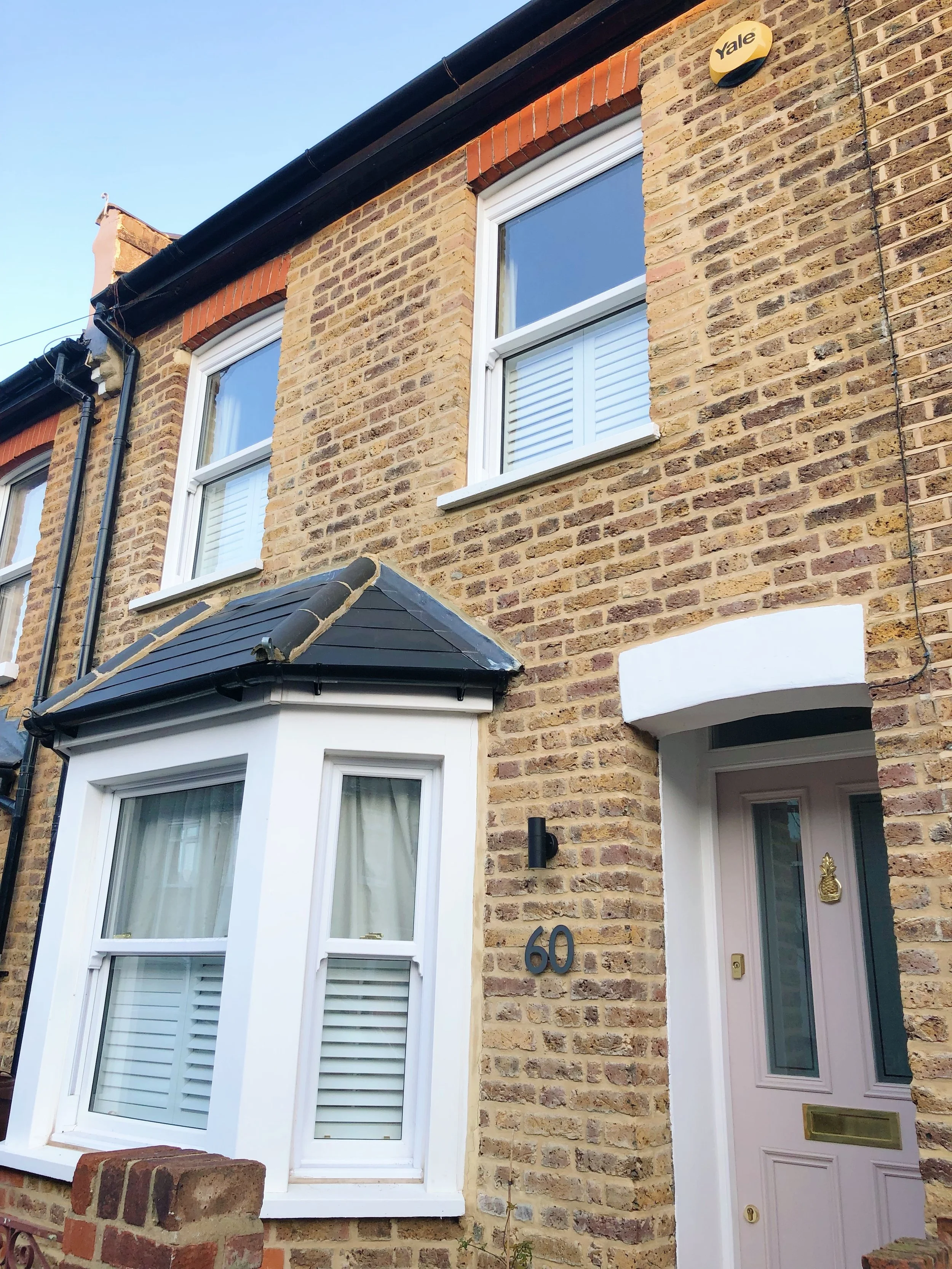
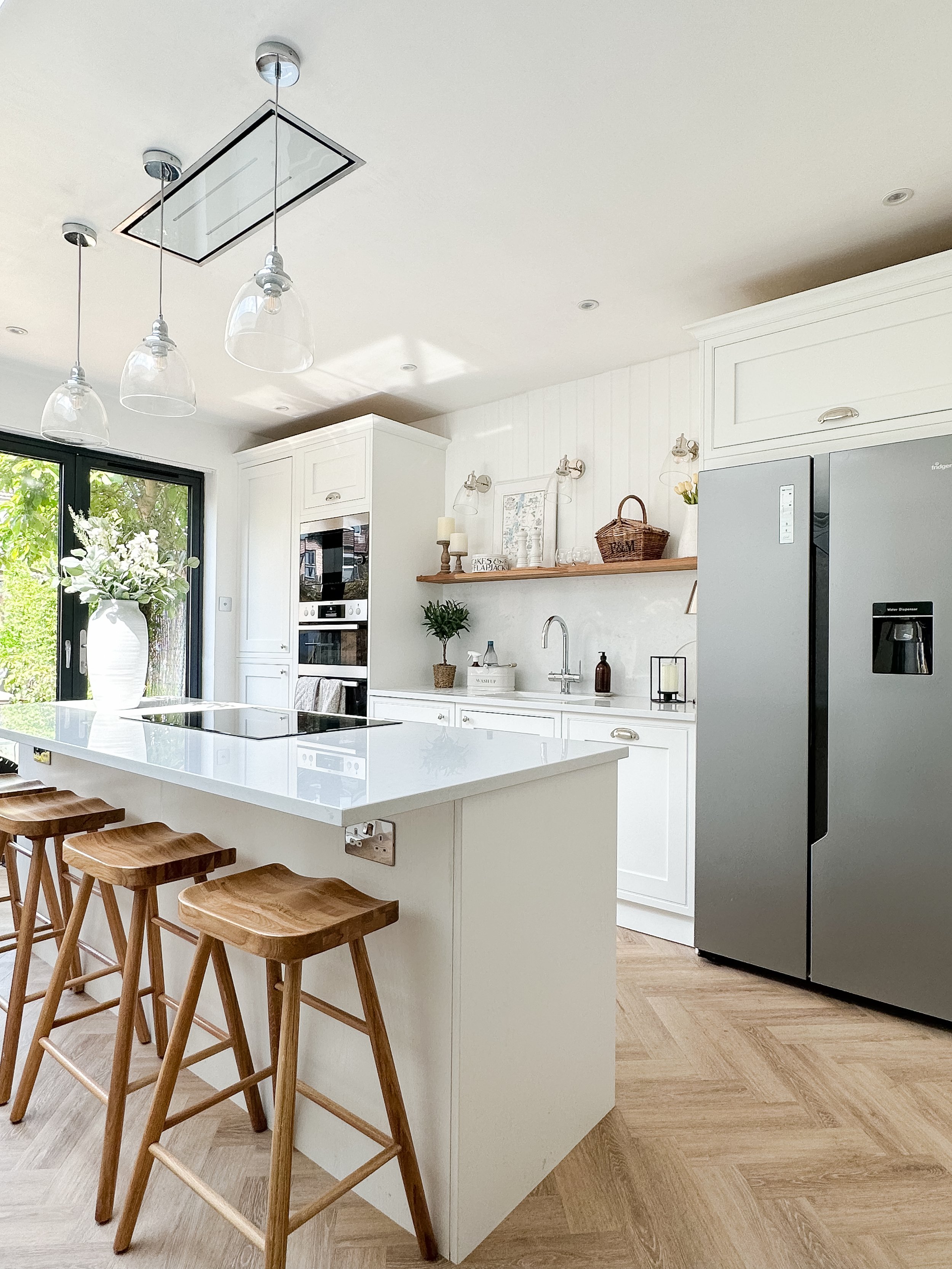
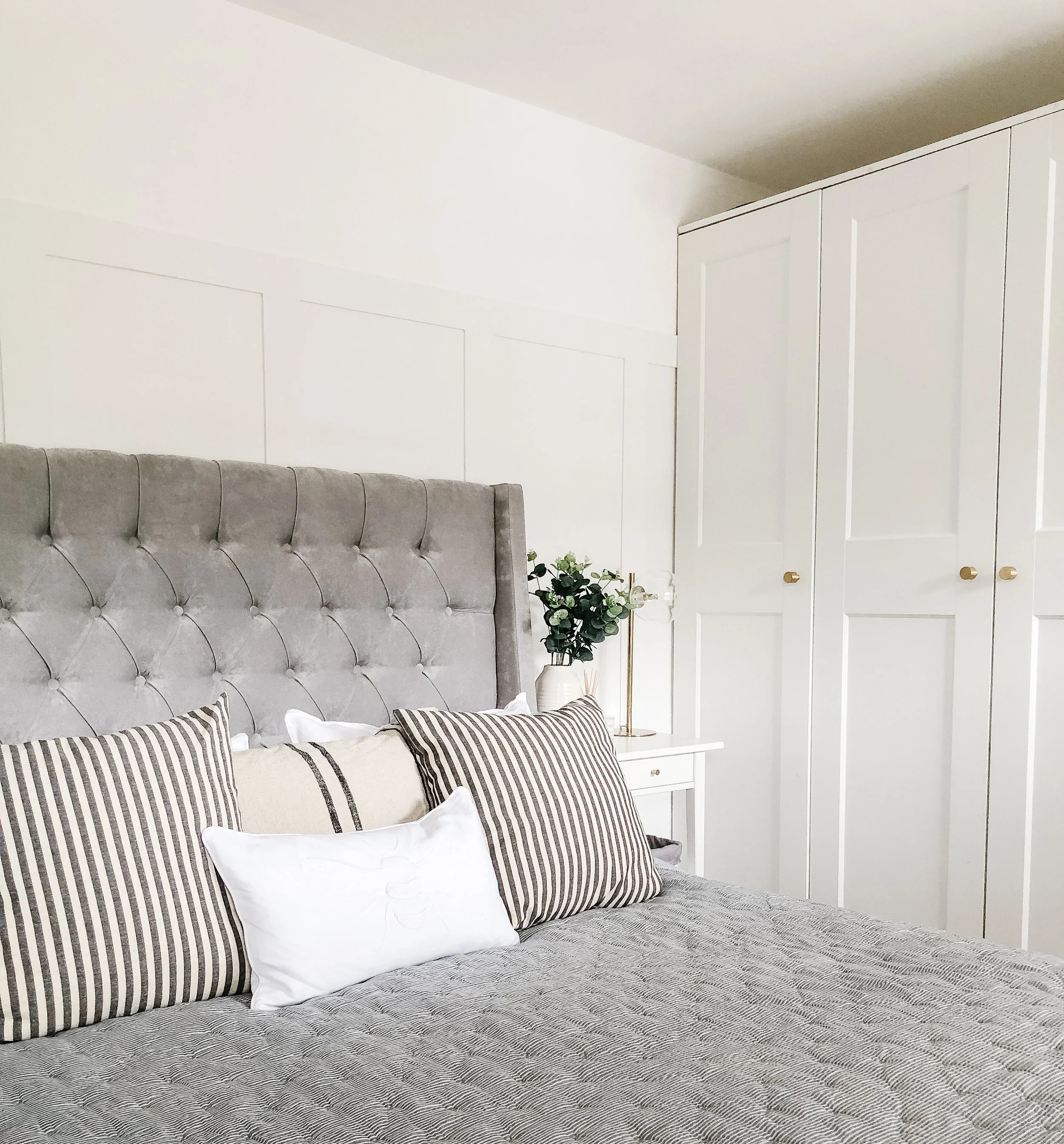
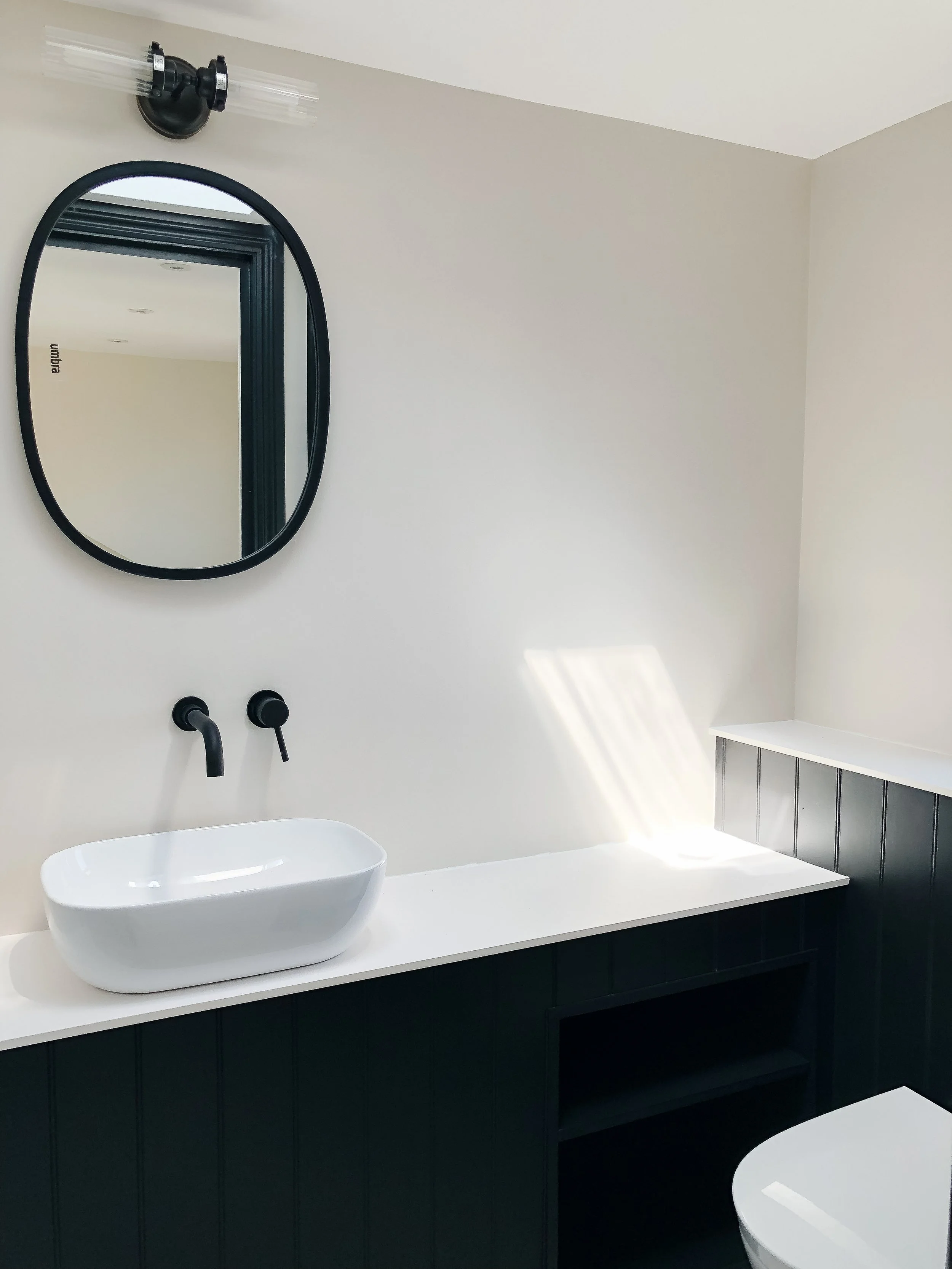
The “now”: every transformation
Final thoughts
This house taught us everything. Not just how to renovate, but how to make a small footprint feel intentional — and how much difference layout can make, even without adding loads of square footage.
If you want the “what we did” posts (with layout decisions, the practical bits, and mistakes we made along the way), you can sign up to my email list here and I’ll send them as they go live.